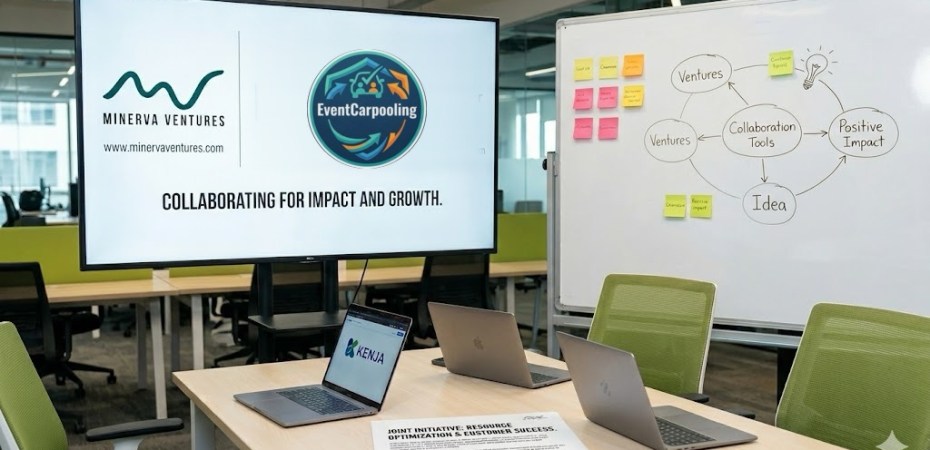
I joined the monthly Climate Leaders call run by my friend Marianna Grossman. I shared my AI projects and heard about the climate work others are doing.
A lot of the tech world still lives by Mark Zuckerberg’s old slogan, “move fast and break things,” even though Meta dropped it years ago. This month Meta launched Muse, a personal AI helper that can book tickets, shop, and fill out forms for you. It’s getting a lot of attention.
I’m taking the opposite path: go slow and build things that bring people together. I built EventCarpooling and AustinCares because the hard part isn’t finding out what’s going on. It’s getting there, and paying for it. Every shared ride to an event means one less car on the road, which is a small win for the climate.
What I learned (after writing 20,000+ lines of code via Replit)
Carpooling gets tricky once money is involved. Splitting gas with a friend is usually fine. But if drivers make a profit or the app takes a cut, the law may treat you like Uber or Lyft. The rules change from city to city.
I also guessed wrong about people. Some reports were emerging of carpooling making a comeback. I thought folks would want to carpool, especially in places where everyone drives, like Austin, Sacramento, and Bulverde. I had used Scoop Commute previously in the Bay Area. Most people I talked to in Texas would rather drive alone than ride with a neighbor. I’m not the first to find this out. Waze shut down its carpool service in 2022 because not enough people used it.
Carpooling could still work where most people don’t own cars, like college towns (going to the game), walkable cities like DC, or places overseas. I’ve turned it on for Tokyo. Uber solves commutes, but is still expensive.
The cheap-food part of AustinCares is already offered in lots of places. The parts worth keeping are the local event finder and the email newsletter you can get on demand.
What happens when everyone has an AI helper like Muse?
People at the meeting asked what happens to small apps when everyone just asks their AI helper instead of visiting websites. Here’s my answer, based on a fourth slide I added after the call.
Soon, AI helpers will all book and pay for things the same way. So what will matter is trust. An AI can buy you a ticket. But it can’t find a neighbor who’s already going to the same show. It can’t check that a food truck’s deal is still good today. Someone has to collect and check that local info first.
There’s a catch. Being found by AI isn’t enough. If an AI can copy your info, it can answer the question without ever sending people to you. So small apps need to hold on to what makes them valuable. That means:
• Be a tool. Let AI helpers connect to you, on your terms.
• Know your partners. Build real relationships with event hosts, shops, and drivers.
• Own your channel. Use newsletters, WhatsApp groups, and in-person events.
• Go deep. Pick one niche where local know-how keeps big companies out.
• Don’t rely on one AI. Work with many.
Some people will pick small on purpose, the same way they shop at a corner store instead of a big-box store. Every request sent through a giant AI gives one company more data and more power. A small, local option can keep your data in the community, be clear about its rules, and help neighbors instead of shareholders. It just has to work almost as well.
Fittingly, what worked this month wasn’t an algorithm. It was a zoom full of people who trust each other, brought together by Marianna.
If you live in a college town or a big city like DC, or want to try the local event finder and newsletter, I’d love to hear from you.
Slides heavily edited by a human, with help from Claude.com and Replit.com.
——
Marianna shares more from other attendees in the notes below.
———- Forwarded message ———
From: Marianna Grossman <mgrossman@minervaventures.com>
Date: Fri, Sep 25, 2026 at 12:00 AM
Subject: Climate Leaders Notes Thursday, Sept. 24
To: Marianna Grossman <mgrossman@minervaventures.com>
Dear Friends,
Next meeting: Thursday, October 22, 4 pm PT
Attached are the notes from today’s meeting, as well as Raj Padmanabhan’s slides about using AI for community building in real life. Details about his project are in the notes, as well. Next month, Malcolm Knapp from Finding the Future will lead us in an exercise to envision a positive future and set a planning process for getting there.
Thanks to all who attended today. Great resources in the notes for everyone.
Let me know if you have friends or colleagues you would like to invite to future meetings.
Also attached is a photo of the ADU we are building in Portland.
best regards
Marianna Grossman
Founder and Managing Partner, Minerva Ventures
“We are called to be architects of the future, not its victims”
— R. Buckminster Fuller

